November 5, 2026 · KHTUMEWARE Team
Cabinet Backplates: When and Why You Need Them
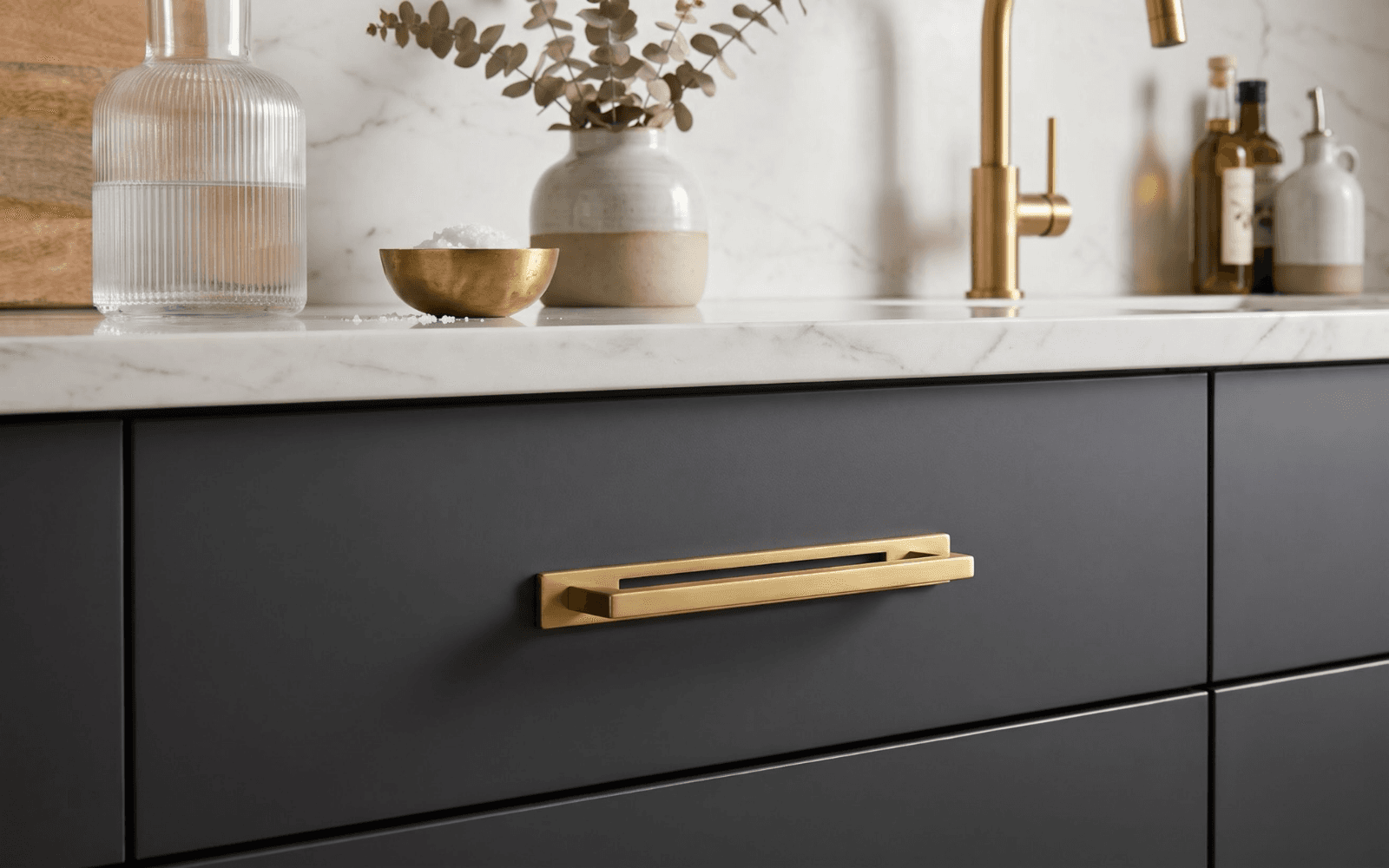
Cabinet backplates sit behind compatible knobs or pulls, adding a visible layer between the hardware and the cabinet front. They can help cover marks left by previous hardware or give a plain cabinet a more decorative detail.
You may need a backplate when a replacement leaves an old outline exposed, or when you want a larger hardware accent. Before choosing one, check both the area it needs to cover and the way the complete assembly mounts. This guide walks through those decisions so you can judge whether a backplate will help your project.
What Cabinet Backplates Do
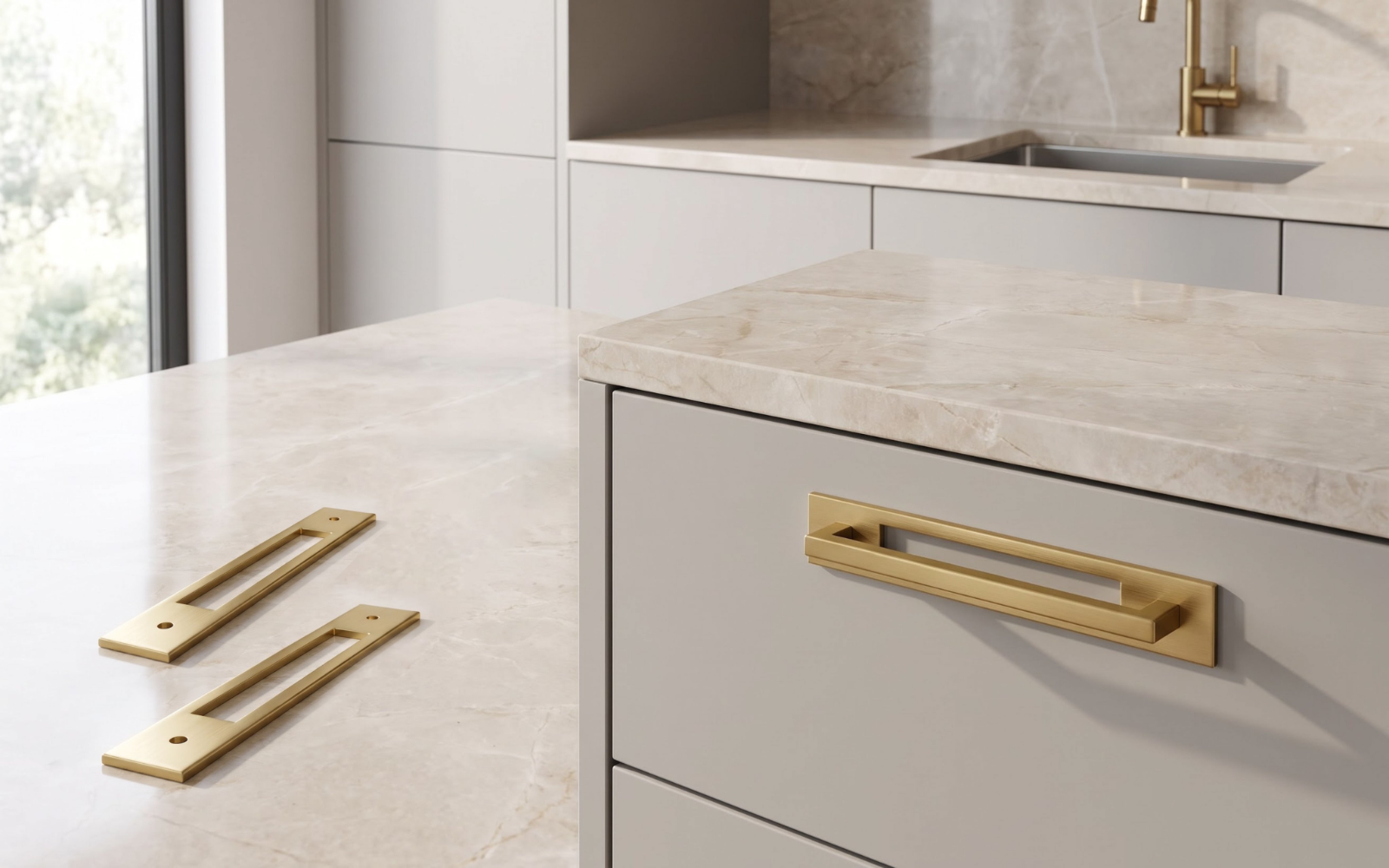
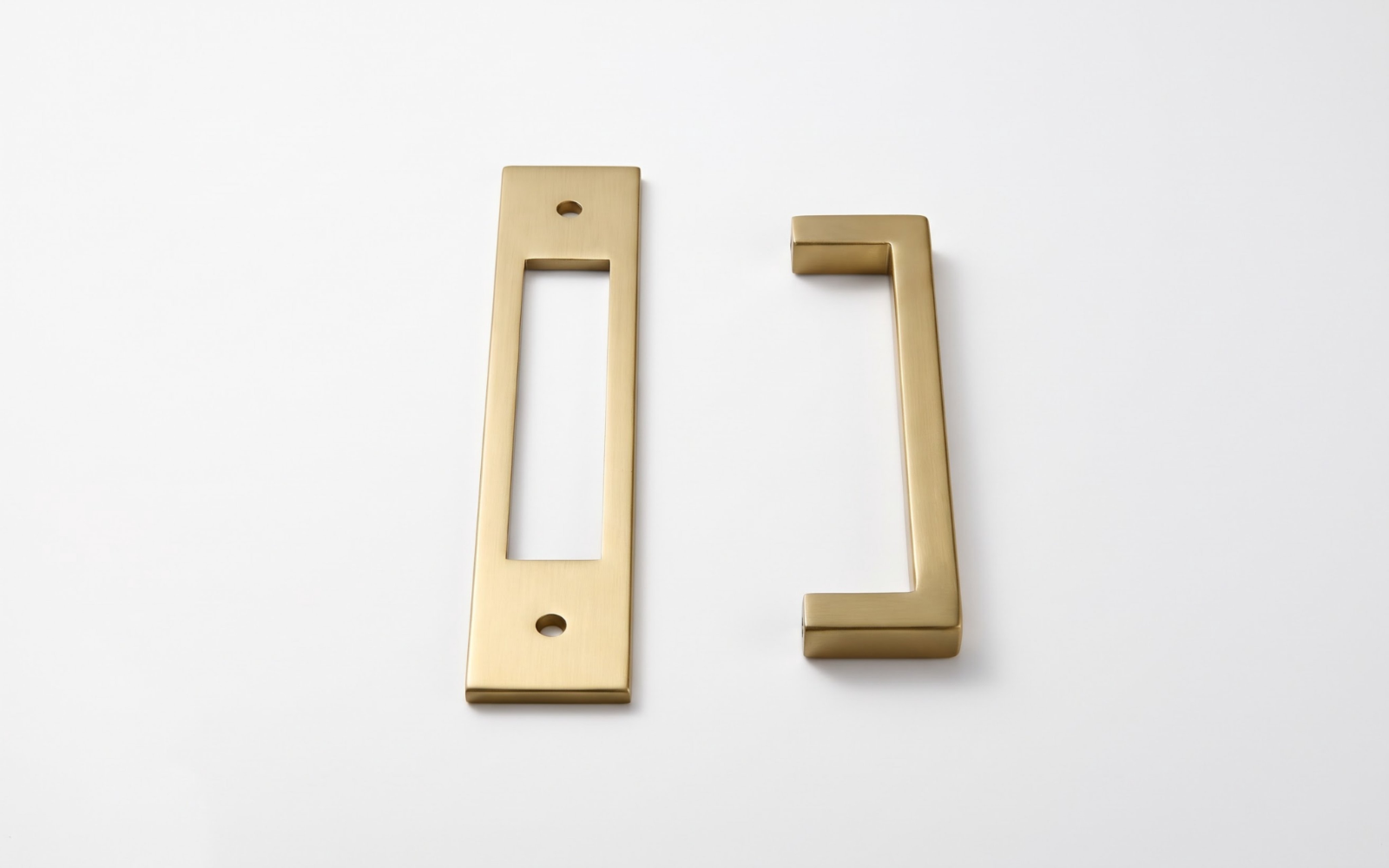
A backplate provides a decorative surface behind a knob or pull. Depending on its dimensions and mounting arrangement, it may conceal discoloration, impressions, or unused holes within its outline.
Coverage and compatibility are separate checks. A plate can be wide enough to hide a mark while still being unsuitable for the selected hardware.
KHTUMEWARE cabinet backplates are sold separately. Knobs and pulls are not included unless the selected listing states otherwise. Check package contents before planning quantities or comparing costs.
When a Backplate Is Worth Considering
Old Hardware Has Left a Visible Outline
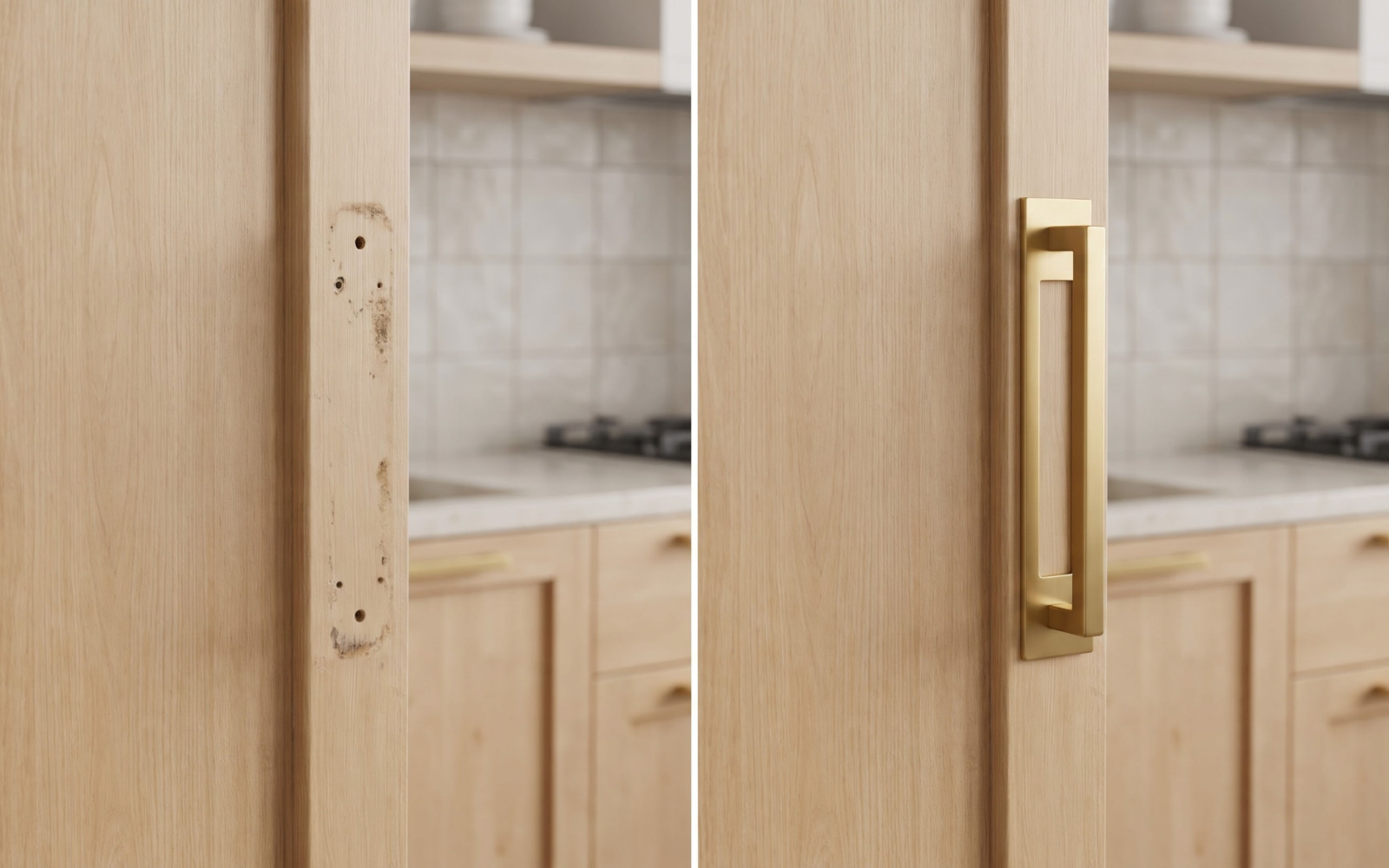
Removing a knob or pull may reveal a difference in color, a shallow impression, or wear around the mounting area. A backplate may cover that outline if its actual shape extends beyond the entire affected area.
Inspect the surface first. Loose material, cracks, or damaged mounting holes need appropriate repair before installation.
You Want More Decorative Detail
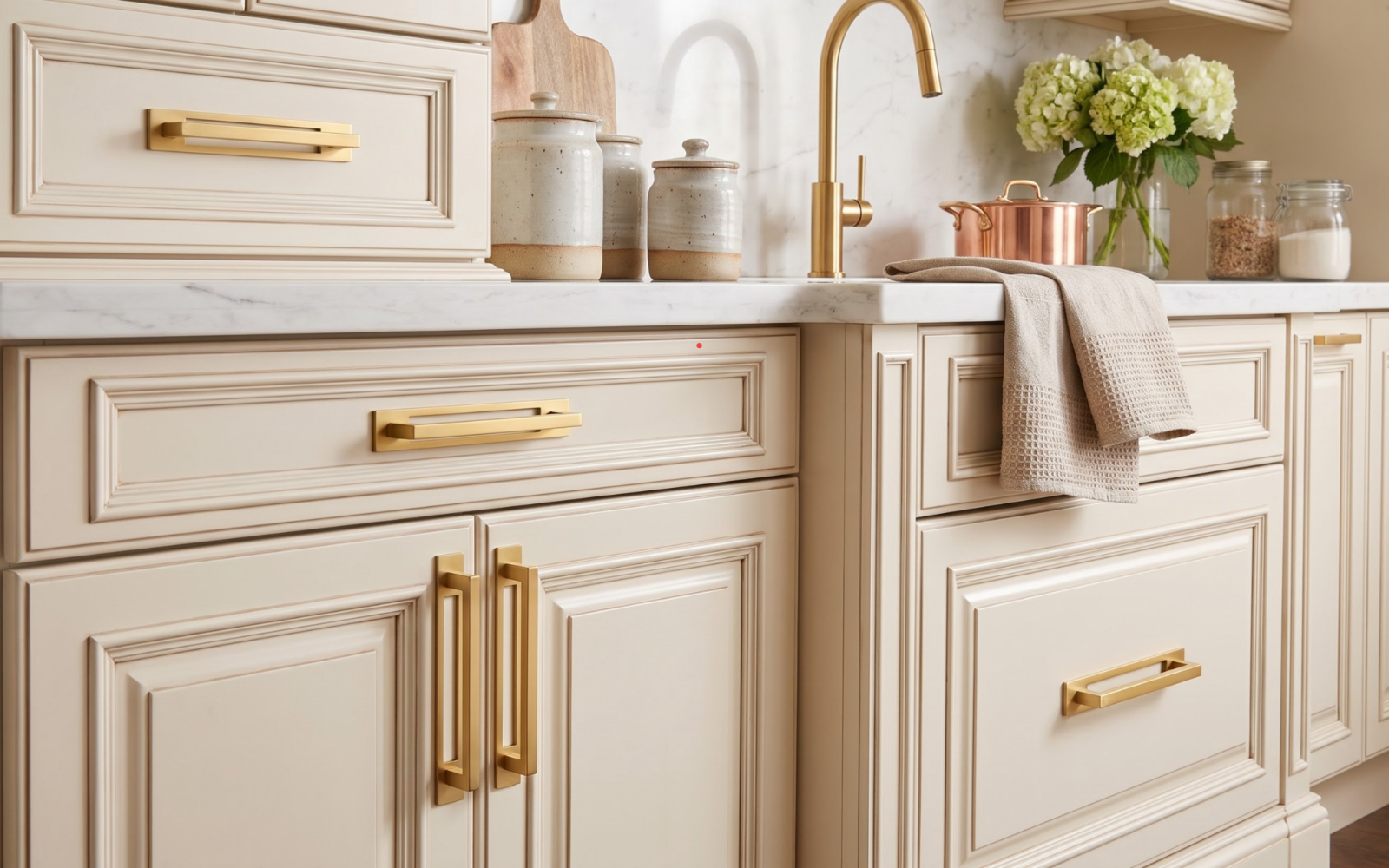
A backplate can make a small knob more prominent or add a defined outline behind a pull. Consider how its edges relate to the cabinet molding and the hardware in front.
Preview the effect across several doors or drawers. A detail that looks balanced on one cabinet may feel too heavy when repeated throughout the room.
You Are Changing the Hardware Layout
A suitable plate may conceal abandoned holes when changing hardware styles. However, the new knob or pull still needs correctly positioned, secure mounting points. Covering the old holes does not remove the need to plan any new drilling.
Measure the Area You Need to Cover
Start with one representative cabinet front before ordering for the whole room.
- Remove the old hardware and gently clear loose dust with a soft cloth.
- Measure the full width and height of the visible mark or group of holes.
- Record the position of each hole relative to the area you want covered.
- Compare those measurements with the backplate’s listed dimensions and outline.
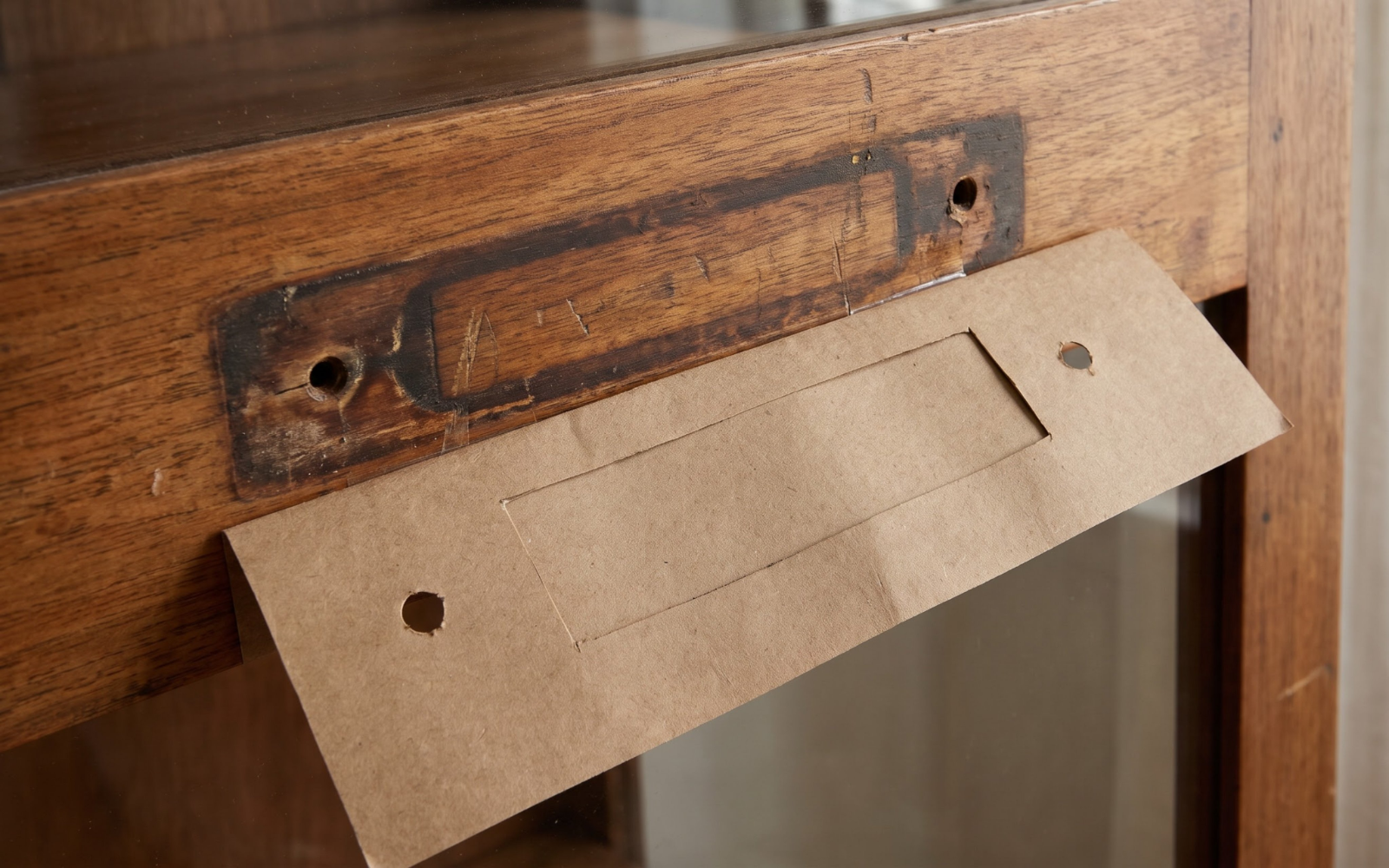
- Make a full-size paper template and position it using the proposed mounting points.
For pull replacements, also measure existing cabinet pull holes from center to center.
A template based only on overall length and width gives an initial coverage check. Rounded ends, narrow sections, openings, and the actual mounting position can leave part of a mark exposed. Confirm the real shape before relying on it for coverage.
Check the Backplate and Hardware as One Assembly
For a two-hole arrangement, compare the mounting-hole spacing of the cabinet, backplate, and pull wherever those holes must align. Use the listed millimeter CTC for the selected variant.
Overall backplate length is different from CTC. A model number or a familiar size label does not establish the hole spacing.
A single-hole backplate has no two-hole CTC. Check its opening, mounting method, and the way the knob base sits against it instead.
Also confirm that the plate fits within the available flat cabinet surface. Its edges should clear raised molding, cabinet edges, and neighboring doors.
Products shown together in a collection or recommendation panel still need their mounting relationship checked. If the required dimensions are missing, obtain confirmation for the exact combination before ordering.
Choose a Finish and Shape Together
A backplate exposes more finish area than a knob or pull alone, making differences in color and sheen easier to notice.
Compare the backplate and front hardware together against the cabinet. Matching finish names can help narrow the selection, but appearance may vary between products, manufacturers, lighting conditions, and production batches.
For a finish-sensitive project, review physical pieces under the room’s actual lighting. Check the shape as well: a rounded plate, angular pull, or decorative knob can create a different visual effect even when their colors are similar.
Keep finish approval separate from fit approval. A combination needs to pass both checks.
Test-Fit Before Installing the Whole Project
Confirm the backplate’s mounting instructions, the selected knob or pull, panel thickness, screw requirements, and included components.
Adding a backplate changes the assembly being fastened. Check screw length and thread compatibility for the complete arrangement; do not assume the old screws or screws from another product will work.
Test one assembly before drilling or installing the remaining pieces. Confirm that the plate sits flat, the hardware stays secure, and the grip remains comfortable. Open and close the door or drawer to check clearance.
Stop if the plate rocks, the screw resists, or the hardware remains loose after tightening. Resolve the fit issue before continuing. Use a cabinet professional when repairs, unfamiliar materials, or uncertain drilling are involved.
Frequently Asked Questions
Do All Cabinet Knobs and Pulls Need Backplates?
No. Backplates are optional unless the selected hardware design specifically requires one. If the cabinet surface is sound and the hardware mounts correctly, choose a backplate only when its coverage or appearance serves your project.
Will a Backplate Cover Every Old Hole?
No. Coverage depends on the plate’s outline and where it sits when mounted. Check all old holes against the proposed position. A longer plate can still leave a hole exposed if it is too narrow or positioned differently.
Can a Backplate Fix Loose Hardware?
A decorative plate should not be treated as a repair for damaged mounting holes or an unsuitable screw connection. Identify why the hardware is loose and correct the mounting problem before adding the plate.
Does a Backplate Include Screws, a Knob, or a Pull?
Check the selected listing. KHTUMEWARE backplates are sold separately from knobs and pulls unless otherwise stated. Included screws and other components must be checked for the exact product and pack.
Find a Backplate for Your Cabinet
With your measurements ready, browse cabinet backplates and compare their outlines, mounting details, and finishes with your selected hardware.
If the pairing is unclear, ask KHTUMEWARE to confirm backplate compatibility. Send both product links, the selected variants, cabinet measurements, and clear photos of the existing holes and marks before ordering the combination.